
Municipal Solid Waste Management
Introduction Municipal Solid Waste
Touch N Glow’s experience in Municipal Solid Waste (MSW) management highlights its capability to effectively manage large-scale waste management operations while integrating advanced technologies to promote sustainability. The company has been at the forefront of municipal waste management in India, handling waste from various municipalities, ranging from 100 to 800 metric tonnes per day. Here’s a detailed overview of expertise:
1. Expertise in Handling Large-Scale MSW Projects
We demonstrated proficiency in managing significant volumes of municipal solid waste, ensuring efficient waste collection,
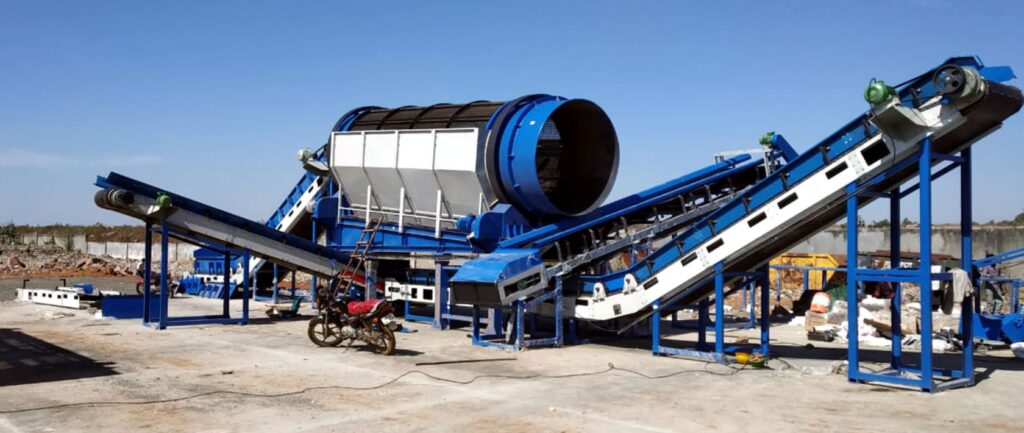
segregation, transportation, treatment, and disposal. Their operations span diverse municipalities, reflecting their ability to scale their solutions based on varying local waste generation profiles.
2. Tailored Waste Management Solutions
- The type and volume of waste generated in each region.
- The specific goals of municipal corporations, such as increasing recycling rates, reducing landfill use, or maximizing energy recovery.
- Incorporating community engagement strategies to ensure compliance and participation.
3. Integration of Cutting-Edge Technologies
The company places a strong emphasis on integrating innovative technologies into its operations, making significant strides in promoting a circular economy. Some of their key technological advancements include:
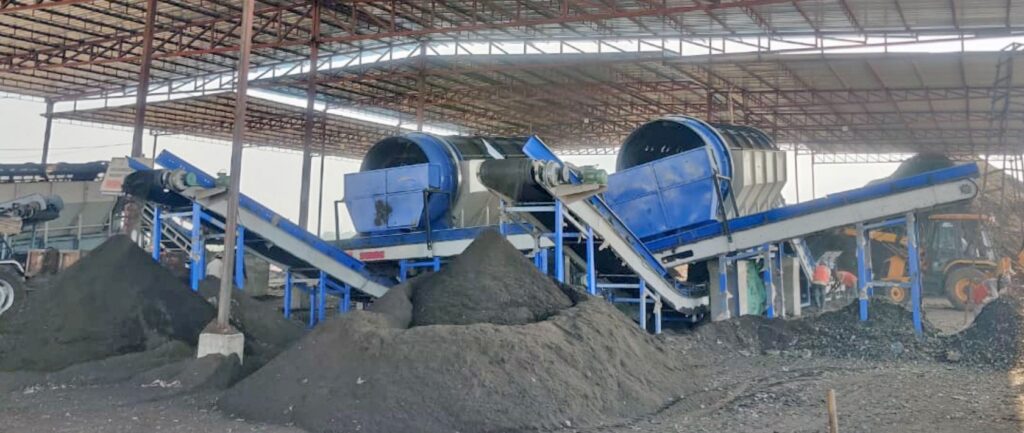
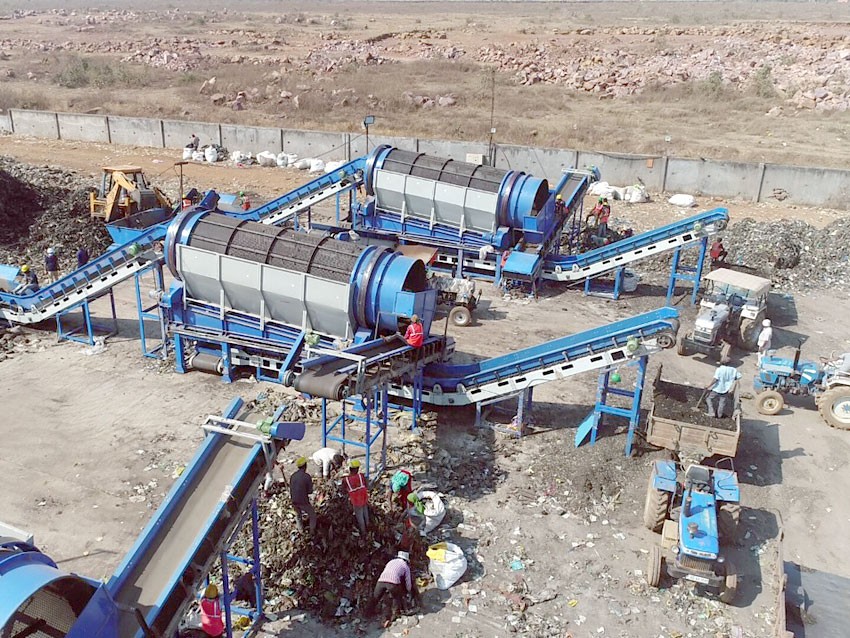
- Advanced sorting systems for efficient waste segregation at the source, reducing contamination and increasing the recovery of recyclable materials.
- Waste-to-energy solutions, such as biogas generation and incineration, that help reduce landfill dependency and create renewable energy.
- Composting technologies that enable the conversion of organic waste into useful products, like compost for agricultural purposes.
- Automated waste collection and transportation systems that optimize the logistics of waste management.
4. Focus on Resource Recovery
A key aspect of our operations is emphasis on maximum resource recovery from waste. We strive to:
- Increase the recycling rates of materials such as plastics, paper, and metals.
- Recover energy from waste through processes like waste-to-energy technologies, helping to offset the use of conventional fossil fuels.
- Compost organic waste, which contributes to soil health and reduces the need for chemical fertilizers.
5. Environmental Impact Minimization
We are committed to minimizing environmental impact. Their waste management solutions are designed to:
- Reduce greenhouse gas emissions associated with landfills by focusing on diverting waste from landfills and increasing recycling and composting efforts.
- Promote the reduction of waste volume by encouraging sustainable practices like source separation and efficient waste collection systems.
- Mitigate pollution by treating and safely disposing of hazardous and non-recyclable waste.
6. Collaboration with Government Bodies
We built strong working relationships with several municipal corporations and government bodies, proving its credibility and expertise in MSW management:
- Maharashtra Pollution Control Board: Collaborated with the state to design and implement large-scale waste management solutions tailored to urban areas.
- Bhopal Municipal Corporation (India): Helped streamline waste collection, segregation, and processing in Bhopal, one of India’s major cities.
- Bhubaneswar Municipal Corporation (India): Contributed to the transformation of waste management infrastructure in Bhubaneswar, aligning with the city’s goal of a cleaner, more sustainable urban environment.
- Gaya Municipal Corporation (India): Worked with Gaya to modernize waste management and improve the efficiency of waste processing and resource recovery in the region.
7. Circular Economy Vision
Our operations are centered around promoting a circular economy, wherein resources are continuously reused, recycled, or recovered. Their approach not only reduces the strain on natural resources but also supports the local economy by creating jobs in the recycling and resource recovery sectors.